Keeping cool and comfortable in Port Chester means prepping your air conditioner before the first heatwave hits—and keeping it efficient until the last humid day of summer. One of the simplest, most cost-effective steps you can take is consistent air filter replacement. But filters are only one piece of the seasonal HVAC checklist that ensures strong performance, lower energy bills, and fewer breakdowns. Below, we’ll walk through how to handle filters like a pro, plus a practical, local-minded plan for AC maintenance Port Chester NY homeowners can follow from spring through late summer.
Body
Why air filter replacement matters more than you think
- Efficiency: A clean filter lowers resistance to airflow, helping your system breathe. Better airflow can reduce runtime and utility costs, supporting energy-efficient AC care. Comfort: Clogged filters restrict airflow to rooms, causing uneven temperatures and longer cycles. Air quality: Filters capture dust, pollen, and pet dander—especially important during spring allergy season in Port Chester. Equipment protection: Dirty filters can lead to iced evaporator coils, overheating blowers, and premature system wear.
How often should HVAC contractor Port Chester homeowners replace filters?
- 1-inch filters: Every 30–60 days during peak use. 2–4-inch pleated filters: Every 60–90 days. 5-inch media filters: Every 3–6 months. Homes with pets, recent renovations, or allergies may need more frequent changes, especially during spring AC inspection and summer AC readiness periods. Tip: Check your filter monthly during the cooling season. If it looks gray or you can’t see light through it, replace it.
Choosing the right filter for your system
- MERV rating: For most residential systems, MERV 8–11 balances filtration and airflow. Higher isn’t always better; very high MERV ratings can strain some systems. If unsure, ask your HVAC tune-up services provider to confirm compatibility during your HVAC preventive maintenance visit. Fit matters: Ensure the filter matches the exact dimensions of your return grille or filter slot. Gaps reduce effectiveness and can let dust bypass the filter. Specialty needs: Allergy sufferers may benefit from higher MERV or certified allergen filters. Just verify the system can handle the pressure drop.
Step-by-step air filter replacement 1) Turn off the system at the thermostat. 2) Locate the filter: It’s usually behind a return grille or at the furnace/air handler. 3) Check airflow direction arrows on the filter frame and match them to the system’s airflow direction. 4) Slide out the old filter; place it in a trash bag to contain dust. 5) Insert the new filter, confirming arrows are correctly oriented. 6) Restore power and set the thermostat. 7) Write the replacement date on the filter frame and on your seasonal HVAC checklist.
Seasonal AC checklist for Port Chester homes Spring AC inspection essentials:
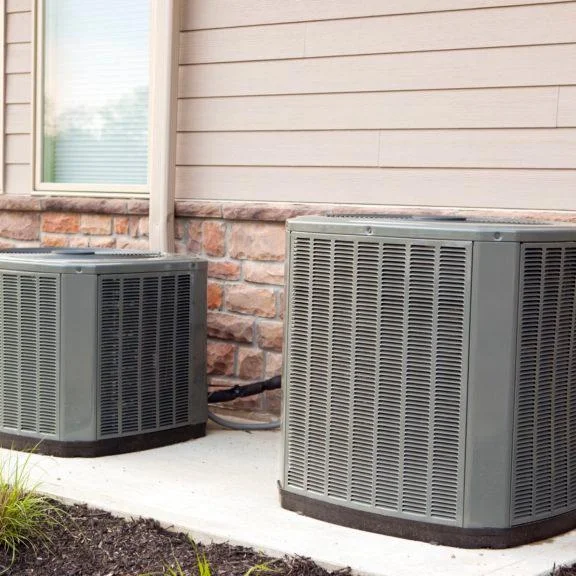
- Replace or clean filters. Thermostat check: Confirm cooling mode and set schedules for energy-efficient AC care. Outdoor condenser coil cleaning: Gently hose off debris, leaves, and pollen from the fins. Keep at least two feet of clearance. Avoid bending fins and never use high-pressure sprayers. If buildup is heavy, schedule professional condenser coil cleaning. Inspect condensate drain: Ensure the line is clear to prevent water leaks and musty odors. Check duct registers: Open and unobstructed? Dust or vacuum as needed. Listen and observe: When running, note unusual noises, short-cycling, or weak airflow.
Summer AC readiness tasks:
- Monthly filter checks and changes as needed. Keep the outdoor unit shaded and clear for better efficiency, but do not block airflow. Monitor humidity and indoor comfort; adjust fan settings or ask about dehumidification options during an HVAC tune-up services visit. Review energy bills: A sudden spike can signal airflow or refrigerant issues. Schedule mid-season check if performance declines; this Port Chester AC upkeep habit can prevent midsummer breakdowns.
What to ask during an HVAC tune-up services appointment
- Airflow and static pressure: Are filters and ducts sized properly for the system? Refrigerant charge: Is it within manufacturer specs? Electrical components: Any signs of wear, arcing, or overheating? Safety controls and condensate management: Are safeties and drain lines functioning correctly? Coil condition: Do both evaporator and condenser coils need cleaning? Duct integrity: Any visible leaks or insulation gaps affecting efficiency?
Common air filter pitfalls to avoid
- Skipping changes in shoulder seasons: Spring pollen and summer dust can clog filters fast in Westchester County; don’t wait until July. Using the wrong size: Undersized filters let unfiltered air bypass and soil the coils. Overly restrictive filters: Very high MERV filters without proper system design can reduce airflow and harm efficiency. Forgetting the second filter: Some systems have both a return grille filter and a cabinet filter—check all locations. Neglecting the outdoor unit: Even with perfect filtration, a dirty condenser reduces cooling capacity. Pair regular filter changes with routine condenser coil cleaning.
Energy-efficient AC care tips tailored to Port Chester
- Setbacks and schedules: Program a modest temperature setback when you’re away. Avoid extreme swings, which can drive up runtime during humid spells. Seal and insulate: Leaky ducts and poor attic insulation force longer cycles. Consider a duct inspection as part of HVAC preventive maintenance. Fan mode: Use Auto, not On, to prevent constant fan operation that can re-evaporate moisture in humid weather. Shade and ventilation: Keep blinds or curtains closed on south- and west-facing windows during heatwaves to ease the load. Upgrade opportunities: If your system struggles despite proper maintenance, ask about higher-SEER equipment, variable-speed blowers, and smart thermostats during your spring AC inspection.
Creating a maintenance rhythm that lasts The most effective Port Chester AC upkeep strategy is a simple, recurring plan:
- Replace filters on the first weekend of each month from May through September. Do a quick visual check of the outdoor unit every two weeks. Schedule professional HVAC tune-up services once in spring for baseline performance and consider a quick mid-season review if usage is heavy. Keep a seasonal HVAC checklist on your phone with reminders. Consistency saves money and prevents emergency calls during peak heat.
When to call a professional
- Persistent warm air, ice on refrigerant lines, or water around the air handler. Unusual noises (grinding, squealing, or repeated clicking). Repeated breaker trips. Weak airflow in multiple rooms after a fresh filter. In these cases, prompt service prevents further damage and restores energy-efficient AC care.
Bottom line Air filter replacement is the easiest win in your AC toolkit, but it works best as part of a broader, intentional plan for HVAC preventive maintenance. With the right filters, a disciplined seasonal checklist, and timely professional support, Port Chester homeowners can enjoy steady comfort, cleaner air, and lower energy bills all summer long.
Questions and answers
Q: How do I know my filter size if there’s no label? A: Measure the length, width, and thickness of the existing filter or the slot https://pmmechanicalny.com/about-us/reviews/ opening. If in doubt, bring those measurements to a supplier or ask your technician during a spring AC inspection.
Q: Is a higher MERV filter always better? A: Not necessarily. In many systems, MERV 8–11 balances filtration and airflow. Higher MERV can restrict airflow if the system isn’t designed for it. Confirm during an HVAC tune-up services visit.
Q: Can dirty filters cause coil icing? A: Yes. Restricted airflow reduces coil temperature and can cause icing, leading to poor cooling and potential damage. Regular air filter replacement and condenser coil cleaning help prevent this.
Q: How often should I schedule professional maintenance? A: At least once per year for cooling, ideally in spring. This HVAC preventive maintenance supports summer AC readiness and overall Port Chester AC upkeep.
Q: What’s the quickest way to improve efficiency today? A: Replace the filter, clear debris around the outdoor unit, set the thermostat to a steady temperature, and ensure registers are fully open. These steps jump-start energy-efficient AC care.